
How to minimize spread of cyclospora, according to UMaine food safety expert
 (Photo courtesy UMaine News)
(Photo courtesy UMaine News)
(Photo courtesy UMaine News)ORONO, Maine — People from nearly every step of the food chain — farmers, processors, restaurateurs and consumers — can help stop the spread of the parasite that has caused a food poisoning outbreak in five states.
Cyclospora, which has not yet been detected in Maine, is a microscopic parasite that can infect people when they consume food or water contaminated through human fecal matter. The parasite causes cyclosporiasis, an intestinal illness that can cause watery diarrhea, explosive bowel movements, fatigue, fever and other symptoms.
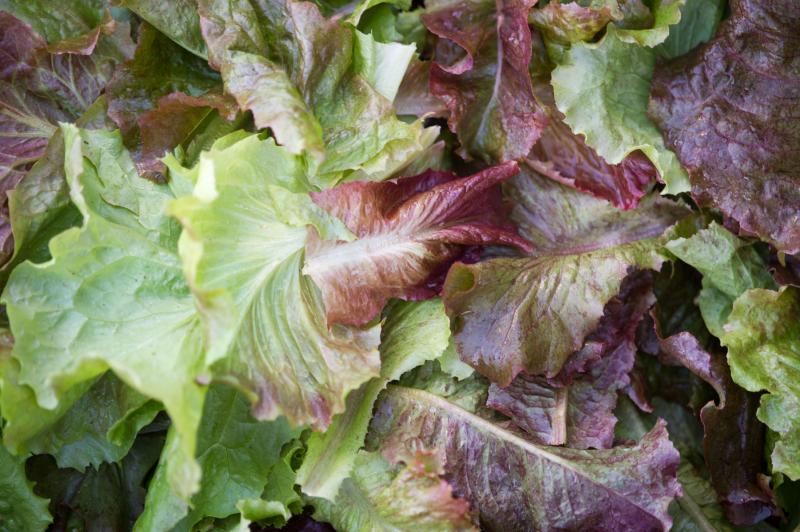
University of Maine Cooperative Extension’s Gulsun Akdemir Evrendilek said the outbreak in Indiana, Kentucky, Michigan, Ohio, and West Virginia “is an extreme case” of widespread foodborne illness. Evrendilek said the parasite has previously been found in lettuce, raspberries, cabbage, basil, parsley, broccoli, snow and sugar snap peas.
Despite the prevalence of the parasite and the disease it causes, Evrendilek said there are many steps people can take to simultaneously prevent cyclospora infections and other foodborne pathogens.
“Many of the fundamental food safety practices used to prevent contamination by Salmonella, E. coli and Listeria, including good hygiene, sanitation and prevention of cross-contamination, also help reduce the risk of other foodborne pathogens and parasites, including Cyclospora,” said Evrendilek, associate Extension professor and seafood technology and food safety specialist with UMaine Extension.
Ignoring ‘prewash’ label and other tactics for home
Just because some produce may have “prewash” labels on them doesn’t mean people can be complacent. Evrendilek said consumers should wash their products at home.
“Don’t rely on the ‘prewash’ label right now,” she said. “Washing is the best practice, since cyclospora is tightly attached to the surface of leafy greens.”
That includes using fruit and vegetable cleaning sprays that can be bought from grocery stores and also washing them with water. For leafy greens, dispose of the outer layer — the most likely home for cyclospora — and wash every leaf, Evrendilek said.
When preparing meals, Evrendilek said consumers should also wash knives and cutting boards used for ingredients and utensils before re-using them for the next.
“They should avoid cross contamination,” she said. “One product may be contaminated, and when you don’t wash knives or cutting boards before you use them for another product, you transfer this parasite from one environment to another.”
One of the safest measures consumers can take is cooking their food.
“Cooking is the only way to kill this parasite,” Evrendilek said. “If cooking products, for example, cabbage or peas, you want to cook them to 158 degrees Fahrenheit (70 degrees Celsius).”
Tips for businesses
In addition to following safe food handling practices at home, restaurants and other food service establishments should use potable water for washing fresh produce, maintain good employee hygiene and prevent cross-contamination throughout food preparation, Evrendilek said.
Employees with diarrhea or other symptoms consistent with cyclosporiasis should not handle food until they meet public health requirements for returning to work. Evrendilek said that because some infected individuals may have mild or no symptoms, proper hand washing before handling food remains essential.
"Cyclospora is spread through food or water contaminated with human feces," she said. "Direct person-to-person transmission is considered unlikely because the parasite must mature in the environment before it becomes infectious. Preventing contamination and practicing good hygiene are therefore critical."
On farms, Cyclospora can contaminate fresh produce through contaminated agricultural water or soil. Farmers, particularly those using private wells or surface water for irrigation or produce washing, should routinely monitor water quality through certified laboratories and follow applicable U.S. Food and Drug Administration Produce Safety Rule requirements and state guidance.
"Even though no cases have been reported in Maine, growers should remain vigilant," Evrendilek said. "Regular monitoring of agricultural water, good sanitation practices and proper worker hygiene are important measures for reducing the risk of contamination."
Farmers should also establish policies that encourage workers to report gastrointestinal illness and exclude symptomatic employees from handling fresh produce until they have recovered.
More food safety guidance for other situations is available at the Extension’s Food & Health page.