
Scams: Widespread and more sophisticated every day
 (Courtesy Thomaston Police Department Facebook page)
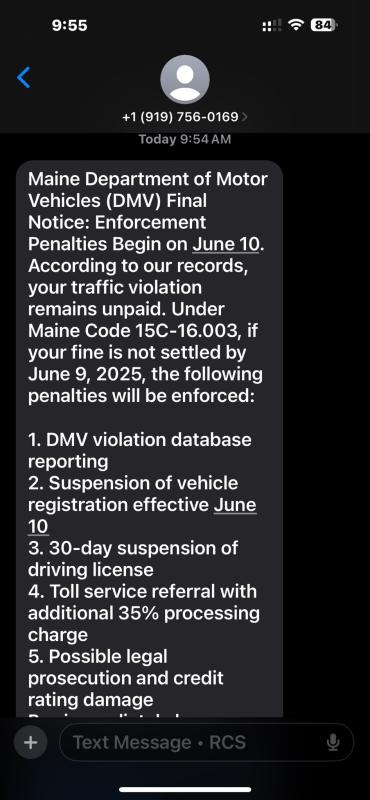 (Courtesy Thomaston Police Department Facebook page)
(Courtesy Thomaston Police Department Facebook page)
(Courtesy Thomaston Police Department Facebook page)
(Courtesy Thomaston Police Department Facebook page)
(Courtesy Thomaston Police Department Facebook page)Example 1). He knew that his grandson was visiting Ireland. Numerous mentions of the trip floated through Facebook. So, when his grandson sent him a message over FB saying that he’d lost his passport and could Grandpa send $300... well, why not?
Example 2). A group of Thomaston police officers were enjoying a break at an outdoor location. A local pulled up next to them. Have you gotten your new vests, yet?
All eyes flew to the local. Vests?
Turns out, every year, for many years, the local received a phone call from someone fundraising for new vests for the Thomaston Police Department, with the local happily obliging to help with funding. The only problem being, TPD pays for its own vests from their regular budget.
The local was told that the next time he received the call, to tell the caller where to go. A next time came, and when it did, the local followed the new script. No one from that establishment has called back since.
When Sgt. Chris Hansen tells these sorts of stories during his quarterly scam talks with seniors in Thomaston, Hansen admits that he, too, has been duped (the message that takes over the screen saying that the computer has been taken over by a virus. Call this number and let us take over your computer to fix the problem. Then you watch those "specialists" enter files that have nothing to do with fixing the problem).
His admission is often followed by an audible sigh of relief from the senior audience. They are not alone, not as ignorant as they thought.
Nowadays, scams are extremely professional, technologically advanced, everchanging, and can con even the most intelligent, street-smart individuals among us. And seniors are among the most vulnerable.
Some advice from the police sector
• Keep on your refrigerator your bank’s phone number and the name of the representative at the bank with whom you work. Whenever you get a random call claiming to be your financial institution, hang up, call the number on your fridge, ask for the rep and inquire if the rep just called you.
• Lock your Facebook. Do not allow your social media to be public. Scammers are in for the long haul. The grandfather of the Ireland trip did not know that his scammers had been watching his FB for a year, piecing together bits of information about him into a larger text that could one day be used against him. And, with that, wait until your trip is over before announcing that you’ve been away. Stories have surfaced of homes burgled while vacation goers played in the sand.
• Question sources, links, and randomness. Hansen questions the recent text message scam where the Department of Motor Vechicles tells you that you owe toll money. What happens if you press on the link? Does that link send you to a third party site? Does it act like a virus infecting your phone? Do not click the link, Hansen says, though, for his own knowledge, he’d love to hear from someone who did.
• Listen for background talk. Some scamming institutions have created actual institutions. Huge office buildings with many people at computers, fishing through social media pages and making phone calls based on what they think they can get away with. The movie The BeeKeeper is a good example, according to Hansen. Note: the film is described as violent.
• Call police. Most of the time, there is nothing that the police can do. However, telling your story allows them to know about this latest technique and then allows police to educate the public on these new criminal tactics.