
Hello, Spring!
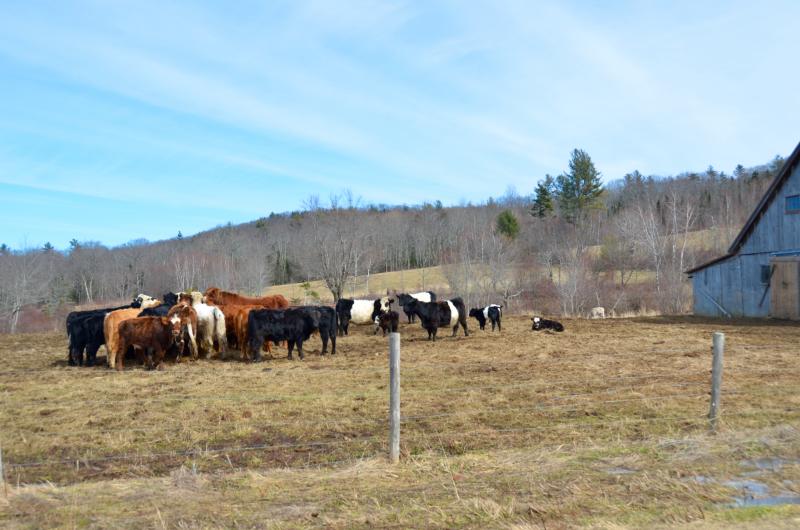
NORTHERN HEMISPHERE — Spring just slipped in the door at 10:46 a.m., March 20, at our latitude and longitude 44° 11' 27" N / 69° 4' 46" W. But ssshhhh. Don't mention the snow we are supposed to get on March 22 and 23, and maybe Wednesday and Thursday....
The March equinox — all things balancing nicely — is taking place right now. This marks the beginning of Spring 2026, which is to last until Summer Solstice, June 21, 4:24 a.m.
Right now, this morning, the earth is positioning itself in such a fashion that the length of night and day will be almost equal across the globe. Here, we are to have 12 hours and seven to eight minutes of daylight. A gift~!
The Spring, or Vernal, Equinox signals our midpoint march toward much longer days and shorter nights. Meanwhile, it is the Autumnal Equinox for those on the other side of the equator, as folks there move into winter.
It is called equinox (Latin for equal night) because day and night are almost of equal length, a phenomenon that occurs twice a year, now and again in September. At our latitude, 44:18-ish degrees, sunrise was at at 6:42 a.m. and the sun is to set at 6:51 p.m.
“The ‘nearly’ equal hours of day and night is due to refraction of sunlight or a bending of the light's rays that causes the sun to appear above the horizon when the actual position of the sun is below the horizon,” according to the National Weather Service. “Additionally, the days become a little longer at the higher latitudes (those at a distance from the equator) because it takes the sun longer to rise and set. Therefore, on the equinox and for several days before and after the equinox, the length of day will range from about 12 hours and six and one-half minutes at the equator, to 12 hours and 8 minutes at 30 degrees latitude, to 12 hours and 16 minutes at 60 degrees latitude.”
It's a good time to celebrate, as the days get longer and we keep an ear out for the peepers. Welcome, spring! just do not put the shovels away.