Halibut fishing season begins May 18
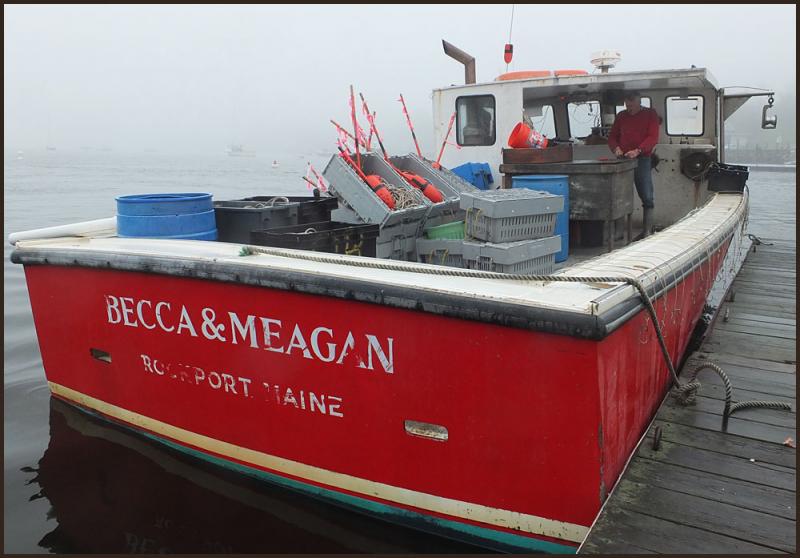 The "Becca & Meagan", owned by Rockport fisherman Kenneth Dodge, awaits departure for a day of halibut fishing out of Rockport Harbor in 2013. Dodge said weather doesn’t affect the fishing. “A foggy day like today doesn’t really make a difference, but the tide can. Higher tide and the hooks have a tendency to stay off the bottom and you fish for halibut on the bottom. You don’t catch them all. We had three hits on the lines the other day and lost all three before we got them up into the boat. I’ve caught lobsters, rocks and ghost traps instead of halibut, too.”(Photo by Chris Wolf)
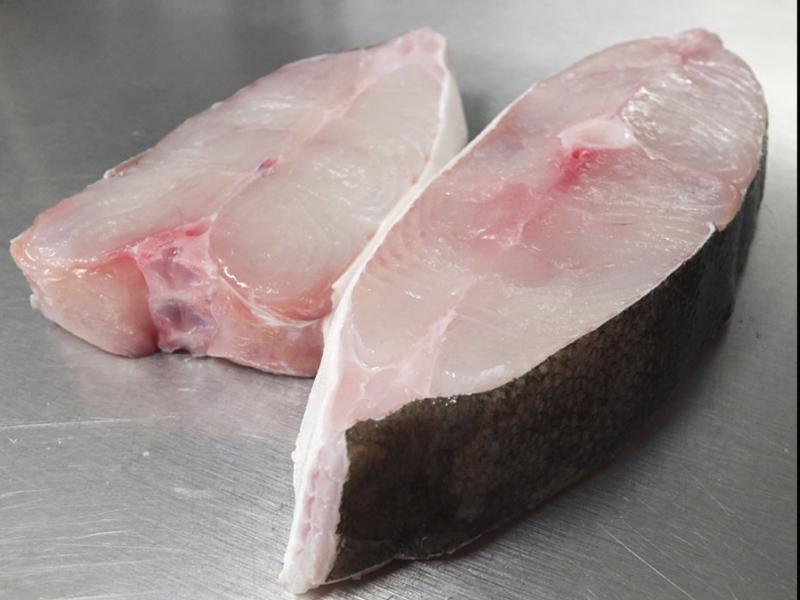 Halibut steaks (Photo by Chris Wolf)
The "Becca & Meagan", owned by Rockport fisherman Kenneth Dodge, awaits departure for a day of halibut fishing out of Rockport Harbor in 2013. Dodge said weather doesn’t affect the fishing. “A foggy day like today doesn’t really make a difference, but the tide can. Higher tide and the hooks have a tendency to stay off the bottom and you fish for halibut on the bottom. You don’t catch them all. We had three hits on the lines the other day and lost all three before we got them up into the boat. I’ve caught lobsters, rocks and ghost traps instead of halibut, too.”(Photo by Chris Wolf)
Halibut steaks (Photo by Chris Wolf)
Halibut steaks (Photo by Chris Wolf)
The "Becca & Meagan", owned by Rockport fisherman Kenneth Dodge, awaits departure for a day of halibut fishing out of Rockport Harbor in 2013. Dodge said weather doesn’t affect the fishing. “A foggy day like today doesn’t really make a difference, but the tide can. Higher tide and the hooks have a tendency to stay off the bottom and you fish for halibut on the bottom. You don’t catch them all. We had three hits on the lines the other day and lost all three before we got them up into the boat. I’ve caught lobsters, rocks and ghost traps instead of halibut, too.”(Photo by Chris Wolf)
Halibut steaks (Photo by Chris Wolf)The Maine Department of Marine Resources has set the Halibut season opening day for May 18. The season will run through June 13. Regulations remain the same as 2025 and can be found HERE.
The 2026 Compliance Guide for Maine State Waters Halibut Fishery Regulations include stipulations for size of the catch, as well as size of hooks used, and number of fish caught.
Maine territorial waters include all waters of the State within the rise and fall of the tide seaward to the 3 nautical-mile line. Beyond that, federal rules guiding the halibut season prevail.
The Atlantic halibut is the largest of the bottom-dwelling flatfish that range from Labrador to southern New England.
Accordingt to the National Oceanic and Atmospheric Administration (NOAA), halibut remains an overfished stock and its 26-day fishing season is under a managed plan. NOAA said:
- "Atlantic halibut is the largest species of flatfish in the world.
- Atlantic halibut can reach up to 15 feet in length
- The largest Atlantic halibut recorded was taken off Cape Ann, Massachusetts, and weighed 615 pounds (eviscerated with the head still attached). It likely weighed 700 pounds when it was alive.
- It is a long-lived, late-maturing species that can live up to 50 years.
- Average age at maturity is about 10 years.
- Full grown females average 100 to 150 pounds, while males tend to be smaller.
- Females are batch spawners, producing several batches of eggs each year.
- In Canadian waters, Atlantic halibut spawn from late winter to early spring, while spawning can last through September for fish from Georges Bank to the Grand Banks.
- Halibut food preferences vary by fish size: smaller fish (up to 12 inches in length) feed almost exclusively on invertebrates. The proportion of fish in the diet increases as the fish grow in size until they feed almost exclusively on fishes when they reach approximately 31 inches."
In 2013, the price of halibut at the market was approxmiately $14 to 17 per pound; in 2026, it is up to $28 per pound.
For questions about halibut regulations, contact Corrin Flora at corrin.flora@maine.gov or 207.446.8126.