
Cold weather musts for farms and livestock care: Water, food, shelter
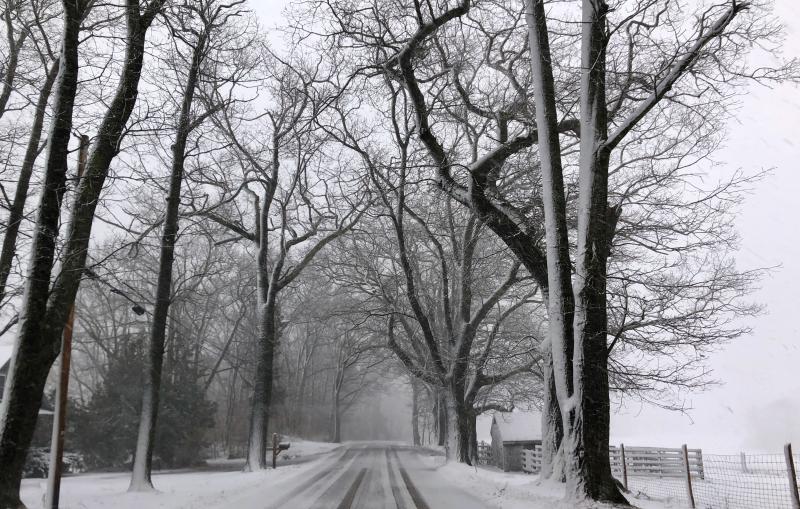 Russell Ave., Rockport (Photo by Lynda Clancy)
Russell Ave., Rockport (Photo by Lynda Clancy)
Russell Ave., Rockport (Photo by Lynda Clancy)From the Maine Emergency Management Agency and state Dept. of Agriculture: Weather forecasts call for frigid temperatures across Maine this weekend, a winter storm watch through Tuesday, and colder-than-average conditions through the rest of January. The Maine Emergency Management Association (MEMA) is urging everyone to monitor the forecast, make plans, and take action in advance of extreme cold temperatures settling in.
Cold Weather Tips for Farms and Livestock
Take Care in Extreme Temperatures
Farmers and animals need the same basic care in very cold weather. These reminders are for farmers of all experience levels and for those who support them.
-
Stay dry and dress in warm layers; keep skin covered.
-
Take regular breaks to warm up when working outside.
-
Check on farming friends and neighbors. Severe weather can add tasks and disrupt normal routines.
Signs of frostbite: red or painful skin; white or grayish-yellow patches; skin that feels hard, waxy, or numb.
Signs of hypothermia: shivering, extreme fatigue, confusion, trouble using hands, or slurred speech. If hypothermia is suspected, check body temperature and seek medical help immediately if it is below 95°F.
Reduce Stress and Plan Ahead
Pace yourself and plan ahead to reduce stress for both people and animals.
-
Make sure drinking water is unfrozen when animals need it; provide a safe alternative if repairs take time.
-
Focus first on essential tasks, such as animal care. Less-urgent work can wait until after the storm.
Everyday Needs for Animals
Every farm is different, but these basics help reduce stress in all weather:
-
Nutritious feed and fresh, unfrozen water
-
Safe footing to prevent slips on ice
-
Dry bedding and access to shelter
-
Fresh air and, when possible, sunlight
During extreme cold, animals may eat more and require more frequent checks. Ruminants such as cows, sheep, and goats use feed to generate warmth.
Watch Animals Closely
- Act quickly if something seems off. Warning signs include not eating or drinking, isolating from the group, or appearing weak or unusually tired.
Extra Care for Young Animals
- Young animals are especially vulnerable to cold and may need extra bedding, blankets, or ear covers. Keep coverings dry and adjust as conditions change.
Other helpful resources:
For the farmer:
- Ten Tips to Stay Safe Farming in Maine Winter – UMaine Extension
- Farm Safety Check: Working in the Cold - Upper Midwest Ag Safety & Health Center
- Protecting Workers From Cold Stress - OSHA
General Livestock Care:
- Watch Livestock for Hypothermia and Frostbite– ND Extension
- Winter Animal Care – Michigan State Extension
Chickens:
- Frostbite in Chickens– Extension
Dairy & Beef Cattle:
- Cold Weather Strategies for Cattlemen- Iowa State Ext
- Cold Stress Impacts on Cattle - South Dakota State Extension
- Severe Cold Weather Rangeland and Livestock Considerations – SD Ext.
- Managing Dairy Cattle in Cold Weather- Minnesota Extension
Equines:
- Winter Care of Equines- UMaine Extension YouTube Video
Sheep & Goats:
- Winter Management Tips for Sheep and Goats- Ohio State Extension
Preventing and Repairing Damage:
- Winter Storms: Preventing and Thawing Frozen Pipes– Texas A&M
- Protecting Water from Freezing– Iowa State Extension
- Livestock Disaster Plan - USDA