
Multi-year drought strain on water resources likely to carry over into 2027
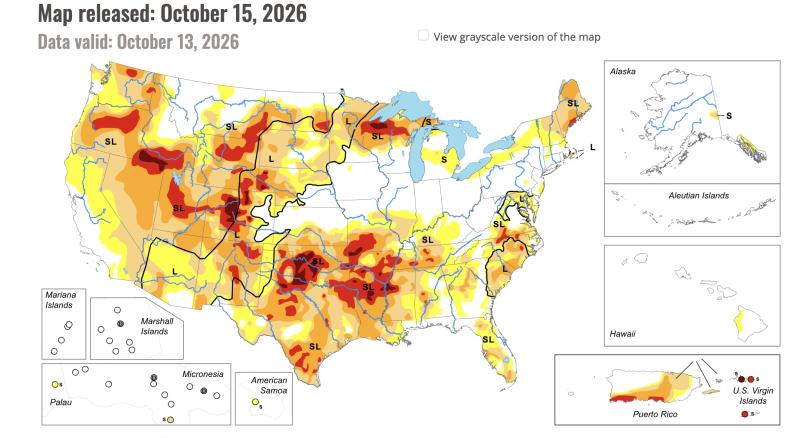
Maine is in a multi-year water resources drought that is likely to carry over into 2027, according to the Maine Drought Task Force. Recent rain has helped lawns and streams, but groundwater is at record lows in parts of the state and is unlikely to recover before the ground freezes.
During its October 16 meeting, state and federal partners reported that the drought is the cumulative result of 16 months of below-normal precipitation, with deficits of up to 12 inches in northern Maine and one to two feet in central and southern Maine, according to an Oct. 16 news release from the task force.
Recent rain provided some relief to surface conditions but did little to replenish groundwater supplies.
“We are seeing low groundwater records being set,” said Task Force co-chair Nick Stasulis, of the U.S. Geological Survey. “Wells in Oxford and at Clayton Lake, with decades of data, hit their lowest levels on record this month - lower than the early 2000s drought that most people consider the benchmark.”
The National Weather Service, with offices in Gray and Caribou, estimates Maine needs precipitation totaling up to 200% of normal over the next two months to substantially alleviate drought conditions before ground frost sets in.
The NWS also reported that a strengthening El Niño could influence Maine’s winter weather and snowpack, with warmer-than-normal temperatures, near- to above-normal precipitation and below-normal snowfall favored in the seasonal outlook.
Impacts on residents are increasingly apparent. The Maine Emergency Management Agency (MEMA) had received 156 dry well reports in 2026 as of October 15, up from 39 reports at the Task Force’s September 3 meeting. In follow-up responses to the survey, many households described relying on laundromats and gyms for water, waiting until December or spring for a well driller, and consecutive years of well problems.
River basin storage levels also remain below long-term averages in several areas, including the Androscoggin, Penobscot and Union river basins. Water resource managers continue to balance reservoir levels, river flows and environmental needs amid persistent dry conditions.
Maine residents are encouraged to conserve water, monitor local conditions and report dry wells through MEMA’s dry-well survey. Residents who rely on private wells should consider their water supply needs and plan for drought conditions to continue into 2027.
What Mainers Should Know and Do
- Conserve water: Follow any local water-use restrictions and look for ways to reduce unnecessary water use. Find tips here.
- Check private wells: If you rely on a private well, monitor your water supply and report a dry well through the state’s dry well survey.
- Protect drinking water supplies: Public water systems experiencing drought-related impacts should notify the Maine CDC’s Drinking Water Program.
- Farmers: Monitor water availability and seek available drought assistance and resources through state agricultural programs.
- Stay informed: Conditions can vary significantly from one part of Maine to another. Follow updates from MEMA, local emergency management agencies, and other state agencies.
If assistance is required filling out the survey, Mainers can either call 211 or 1-877-463-6207, or they can text their Maine zip code to 898-211. Please note that reporting a dry well is not an application for assistance.
The Drought Task Force is made up of state, federal and private scientific, agricultural, regulatory, water use and natural resources organizations and assists in monitoring, coordinating, and managing responses to droughts and recommends actions to minimize impacts on public health, safety, the environment, and agriculture. The Task Force will continue monitoring rainfall forecasts and drought conditions to determine whether an additional meeting is warranted in 2026. In the interim, the Task Force will maintain coordination with partners in the coming weeks.
For more information, visit:
Northeast Drought Early Warning System (NE DEWS)
Maine Forest Service Wildfire Danger Report
For other safety and preparedness information, visit MEMA’s website or find us on Facebook, X, Bluesky, and Nextdoor.