UMaine Extension to host invasive plant workshop in Castine
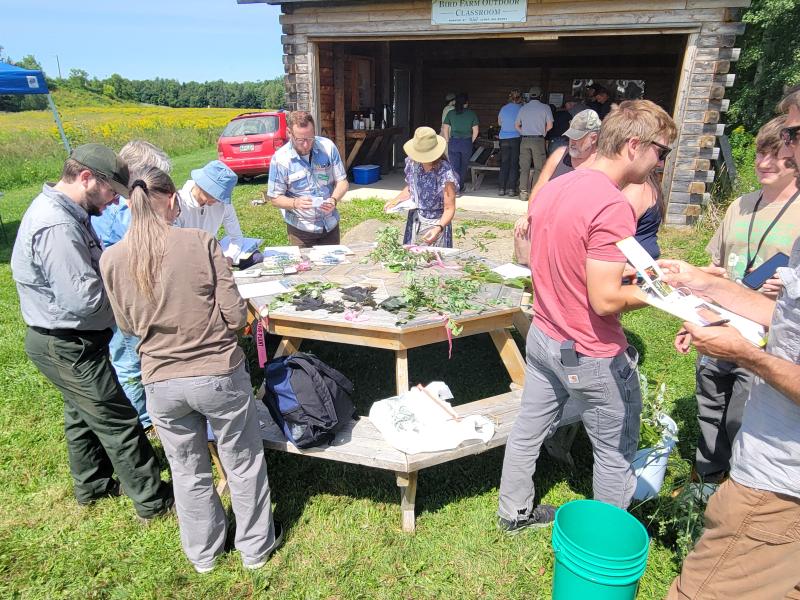 Participants get hands-on experience identifying invasive species at an upcoming educational workshop in Castine hosted by University of Maine Cooperative Extension. (Photo courtesy University of Maine Cooperative Extension)
Participants get hands-on experience identifying invasive species at an upcoming educational workshop in Castine hosted by University of Maine Cooperative Extension. (Photo courtesy University of Maine Cooperative Extension)
Participants get hands-on experience identifying invasive species at an upcoming educational workshop in Castine hosted by University of Maine Cooperative Extension. (Photo courtesy University of Maine Cooperative Extension)
CASTINE — University of Maine Cooperative Extension is hosting an educational workshop on invasive plants, May 26, from 10 a.m. to 3:30 p.m., at Emerson Hall, 67 Court Street, in Castine. Registration opens at 9:30 a.m.
Landowners, natural resource professionals, and outdoor enthusiasts are invited to attend this comprehensive, hands-on training focused on identifying and managing invasive plant species in Maine. The program features a mix of classroom instruction and outdoor field experience designed to build practical skills participants can immediately apply.
Morning sessions will cover invasive plant ecology, pathways of spread and a range of management strategies. Presenters will highlight early detection and rapid response efforts as well as cost-share opportunities available through local conservation partners. In the afternoon, participants will move outdoors for guided plant identification and interactive management exercises. Attendees will work in small groups to identify key invasive species, learn distinguishing features and practice real-world control techniques. Field stations will include demonstrations of mechanical tools and disposal methods, as well as pesticide safety, application techniques and strategies to minimize environmental impact.
The workshop is offered on a sliding scale donation of $0–$20. Light snacks will be provided; participants are encouraged to bring their own lunch. Each attendee will receive a copy of the Maine Invasive Plant Field Guide (a $25 value). Continuing education credits are anticipated for Certified Crop Advisors, the Maine Board of Pesticides Control, and the Society of American Foresters.
Space is limited and early registration is encouraged. Visit the event page to register. For more information or to request a reasonable accommodation, contact Nick Rowley, nicholas.rowley@maine.edu, 207.778.4650.
About University of Maine Cooperative Extension: As a trusted resource for over 100 years, Extension has supported UMaine's land and sea grant public education role by conducting community-driven, research-based programs in every Maine county. UMaine Extension seeks to build thriving communities and grow the food-based economy, focusing on aspects from production and processing to nutrition, food safety and food security. Extension also conducts the most successful out-of-school youth educational program in Maine through 4-H which offers hands-on projects in areas like health, science, agriculture and civic engagement and creates a positive environment where participants are encouraged to take on proactive leadership roles.