Camden politics, policies, and a path forward
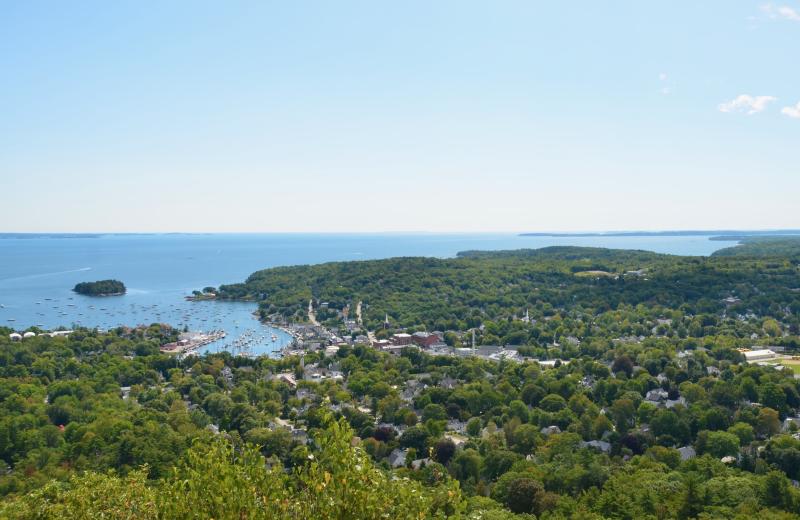 Overlooking Camden from Mt. Battie (file photo)
Overlooking Camden from Mt. Battie (file photo)
Overlooking Camden from Mt. Battie (file photo)Yes, elections have consequences. One of the places Camden finds itself as a result of the June election is at the start of a new path, one of possibilities not imagined by the last town administrators. Instead of splitting ourselves apart over issues, suffering from a lack of leadership, unable to imagine the town we’d like to inhabit a year, or three or five years from now, we now get to set forth in an exciting new direction.
Now is the time to put grievances behind us. Last spring, candidates for Camden’s Select Board spoke about the need for town unity, suggesting community-based events like pot lucks, street parties, and other gatherings with no agendas except a chance to get to know one another. So, let’s begin planning a town picnic or two.
Next, let’s create regular Camden Conversations and open discussion forums where we can gather and talk about Camden’s future.
There are many ways we citizens can make this town the vibrant, green, flourishing seaside village we can call our own. Voting and speaking up at the occasional select board meeting isn’t enough. We need to build a citizenry that’s engaged and excited by Camden’s future. We do that by giving every taxpayer a role to play in imagining and working toward a new Camden. We do it by building a movement of citizen engagement and deliberation.
We can create weekly or biweekly listening sessions crafted around important areas of town planning. As these listening sessions develop we then create workgroups. We can each choose an area of interest and join the appropriate workgroup to study the topic. As the months go on we discuss what other towns have done, research what our town has done, deliberate on the possibilities, and craft ideas for Camden policies going forward.
What workgroup/listening sessions might we create? Six general areas of town politics come to mind:
Economic Policy (fiscal oversight policies/spending discipline/growth incentives, including ways to tackle our housing crisis and fund other critical infrastructure; creation of 5-year fiscal plan);
Governance Policy (current town charter review, including rethinking the non-in-person town meeting format—this needs to be attended to by January 2027 according to our current charter);
River and Dams Policy (a wholistic look at our watershed, the river environment, and the associated infrastructure needs, including sequencing and paying for the work);
Energy Policy (options for energy independence, including ways to reduce energy burdens and increase affordability for citizens, development of an Energy Plan for Camden);
Harbor Management Policy (guidance and policy on the use of the built and natural harbor environment; create path to implement existing harbor resilience plan);
Environmental Policy (craft sustainable policies for all town activities including Public Works and Parks and Recreation).
We citizens haven’t had a chance to weigh in on the wide-ranging future of Camden in meaningful ways in recent years. It’s up to us to create structures that allow such input and engagement. These workgroups wouldn’t be hand-selected by a discrete few. They’d be open to any Camden taxpayer—we’d like to live in a town where all voices have equal importance. You don’t have to be an expert to work on your town’s future. What you need to be is a concerned citizen.
We could start in these groups by educating ourselves about current town policies. Are there any documented policy statements in these areas? Some Maine towns use their comprehensive plans to articulate these policy aspirations. Camden’s current comprehensive plan is way out of date—you can find it here—so we citizens need to begin there and move beyond its limited policy articulations.
(One paradox about this comp plan was that enacting its recommendations was dependent on the existence of many town committees—like Parks and Rec., Energy, and CEDAC—which we were eliminated three years after the report was issued. Another paradox is that the section entitled Camden’s Vision for the Next Decade articulates many of the values many of us have recently been advocating, including sharing municipal services with Rockport. It’s also paradoxical that the plan states “Camden’s traditional town meeting form of government requires an active, engaged citizenry. Camden should encourage volunteerism, participation in Town governance and vigorous, civil public debate active, engaged citizenry.”)
The world we find ourselves in mid-2026 is very different from 2017 when Camden’s last comprehensive plan was written. Supply chains are broken; building and other housing costs are through the roof; our climate is warming in all the ways climate scientists warned us.
As a consequence our town infrastructure needs and costs are also through the roof—and more extreme weather will keep coming, as will our town bills. And our personnel costs—especially health care—are greatly increased.
These planning realities were not part of the 2017 comprehensive plan, so that plan has little relevance as we go forward now making town decisions. (And I wonder about the relevance about these kind of tomes—in fact, when was the last time your heard a Camden town official or select board member refer to the comprehensive plan as a justification for a policy they were promoting?)
Our current constraints and realities need to inform town policies going forward. Citizens are the best equipped to let our town administrators know what we’re experiencing and incorporate that feedback into the planning.
We can also invite leaders from other towns to educate these workgroups about how their towns have coped with various pressures, like paid parking (Castine citizens rejected the proposal by the town manager when asked at the outset), staffing emergency departments, energy independence (Thomaston offers free EV charging because of their early initiatives in building solar capacity). There are some really innovative strategies being used by our neighbors—let’s learn from them.
If we build our citizenry and community by creating and enacting policy workgroups well we won’t find ourselves surprised by the projects undertaken by our new town manager. We’ll be able to work with our town administration to articulate the future we’d like to have in Camden.
Let’s take the bold step to create our future together. Let’s create structures of meeting and engaging that allow us to build trust, build visions, and rebuild Camden.
We can begin to build healthy relationships with one another while we build town policies.
Can you imagine a world where we considered this our civic duty—to really engage with each other on multiple issues over a period of months? Imagine that our town manager and select board fully supported this new model of citizen engagement. Citizens and their insights, research, and perspectives would have a forum and we could all deliberate thoughtfully on the issues. As a regular part of our town government.
In five years we’d be living in a different Camden.
Molly Mulhern lives in Camden.